Twinkle Dream: A Script Handwritten Font for Authentic DIY Branding
Twinkle Dream for Logo Design and Boutique Brand Identity
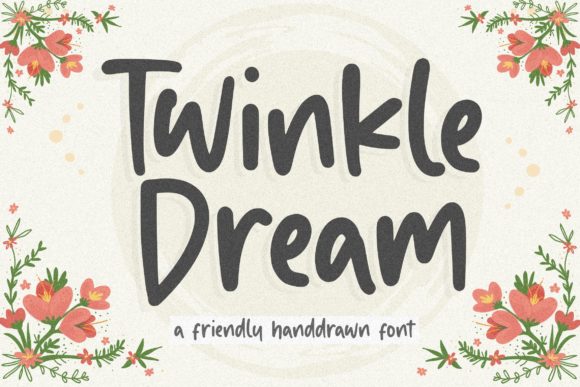
I recently opened a blank brand board for a small artisan tea shop looking for a warm, approachable identity. The client wanted something that felt personal, like a handwritten note from a friend. I reached for Twinkle Dream, a script handwritten font that promises a charming blend of brush pen and pencil textures. At first glance, it delivered. The soft strokes and subtle contrast gave the logo concept a gentle, inviting feel—perfect for a cozy neighborhood shop. Compared to other fonts in this category, Twinkle Dream stood out for its authenticity and subtle imperfections, which added a human touch without looking forced.
Twinkle Dream on Packaging Mockups and Product Labels
Testing Twinkle Dream on a mockup for tea packaging was where it really started to shine. Applied to a rustic kraft label, the font’s organic flow and slight bounce gave the product a handmade appeal. It worked beautifully on both printed mockups and digital comps. I appreciated how it balanced elegance with approachability—ideal for a niche brand that wants to feel premium without being too formal. That said, I noticed that at very small sizes, some of the delicate strokes began to blend, so I’d recommend using it for larger labels or secondary text rather than fine print.
Pairing Twinkle Dream with Sans Serif Fonts for Visual Balance
One of the biggest strengths of Twinkle Dream is how well it plays with others. In the brand board, I paired it with a clean sans serif for subheadings and body text. This created a nice visual hierarchy—Twinkle Dream handled the emotional tone while the sans serif grounded the layout with clarity and modernity. For those working on a brand identity or editorial layout, this kind of pairing is essential for readability and professionalism.
Twinkle Dream for Social Media Graphics and Website Headers
Next, I dropped Twinkle Dream into a website header and Instagram post template. On screen, the font retained its charm and legibility, especially at larger sizes. It gave the brand’s digital presence a warm, personable tone that aligned perfectly with the shop’s values. That said, I’d caution against using it for long blocks of text or navigation menus—this is definitely a display font, best reserved for accents, headlines, and short phrases that need to feel expressive.
Testing Twinkle Dream Across Print and Digital Design Assets
As part of the review, I tested Twinkle Dream across a variety of formats: business cards, thank-you tags, email headers, and even a small poster for a tea tasting event. It performed consistently well in print, especially when used with a textured paper stock that enhanced its organic feel. On screen, the font looked crisp and clean, especially when embedded as a webfont. I did double-check the file formats included in the package—OTF, TTF, and WOFF were all there, which is a big plus for cross-platform use.
When Twinkle Dream Isn’t the Right Choice
While Twinkle Dream is a standout script handwritten font, it’s not a one-size-fits-all solution. I wouldn’t recommend it for formal corporate branding or legal documents—its playful, personal style doesn’t match those contexts. It also struggles with long-form body copy, where clarity and consistency are key. If your project requires a font that can handle both headlines and paragraph text, you’ll need to pair it with a more readable typeface or use it selectively.
What to Check Before Using Twinkle Dream Commercially
Before finalizing any client work, I always double-check font licensing. Twinkle Dream comes with a standard commercial license, which covers most branding and design projects. However, if you’re planning to use it in templates, merchandise, or digital products for resale, be sure to verify extended usage rights. Also, check for multilingual support if your brand includes non-English content. This ensures your final deliverables are both beautiful and legally sound.